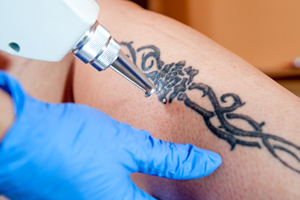
What is Laser Tattoo Removal?
Laser tattoo removal is a non-surgical cosmetic procedure that uses focused laser light to break down the ink particles in a tattoo, allowing the body’s immune system to naturally eliminate them over time.
What are the Indications for Laser Tattoo Removal?
Laser tattoo removal is recommended when an individual wishes to remove or lighten a tattoo for medical, cosmetic, or personal reasons. It may be advised in the following situations:
- Unwanted or Regretted Tattoos: When someone no longer wants a tattoo due to personal, professional, or aesthetic reasons.
- Tattoo Modification: To fade an existing tattoo before covering it with a new design (“cover-up tattoo”).
- Allergic Reactions: If the tattoo causes allergic responses, irritation, or skin inflammation, especially from certain ink colors.
- Infection or Skin Changes: When a tattooed area develops infection, scarring, or abnormal tissue growth.
- Professional or Social Concerns: For individuals whose tattoos may interfere with employment or social acceptance.
- It is not recommended for people with active skin infections, certain medical conditions (like uncontrolled diabetes), or those with very recent tattoos (since the skin needs time to heal first).
What Does the Procedure for Laser Tattoo Removal Involve?
In general, the procedure for laser tattoo removal will involve the following steps:
- The treatment area is cleansed thoroughly to remove any dirt, oil, or makeup. Protective eyewear is provided to both the patient and clinician to shield the eyes from the laser light.
- A topical numbing cream, a local anesthetic, or a cooling device may be used to reduce discomfort during the procedure.
- The clinician uses a handheld laser device that emits short bursts of high-intensity light. The light passes through the skin and is absorbed by the tattoo pigment. This causes the ink particles to heat up and shatter into smaller fragments, which the body’s immune system gradually removes over time.
- Each session usually lasts between 10–30 minutes, depending on the tattoo’s size, color, and location. Multiple sessions spaced several weeks apart are typically needed for complete removal.
What Does Post-Treatment Care for Laser Tattoo Removal Involve?
After treatment, the skin may appear red, swollen, or slightly blistered, similar to a mild sunburn. It is important to keep the area clean, dry, and protected. A soothing ointment or antibiotic cream is usually applied, and the area may be covered with a light dressing for the first day or two. Patients are advised to avoid scratching, picking, or exposing the treated skin to direct sunlight. Applying sunscreen once the area has healed helps prevent pigmentation changes. Gentle cleansing and keeping the skin moisturized aid recovery, while strenuous activity, hot tubs, and swimming should be avoided until the skin is fully healed. Following the clinician’s aftercare instructions ensures optimal results and reduces the risk of scarring or infection
What are the Risks and Complications of Laser Tattoo Removal?
Risks and side effects of laser tattoo removal include the following:
- Redness and swelling
- Mild pain or tenderness
- Blistering or scabbing
- Temporary skin lightening (hypopigmentation)
- Temporary skin darkening (hyperpigmentation)
- Minor risk of scarring
- Infection if aftercare is not followed
- Allergic reaction to released ink pigments
For more information about our services or to schedule an appointment, click here to request an appointment online. We’ll respond to you as soon as possible.