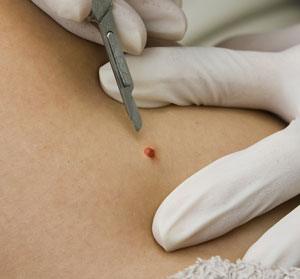
What are Skin Tags?
Skin tags, or acrochordons, are common, benign skin growths that typically appear in areas where skin rubs against itself or clothing. They are generally harmless but can be bothersome or undesirable for cosmetic reasons. They can appear on various parts of the body, including the neck, armpits, groin, eyelids, and under the breasts. While they are noncancerous, they can become irritated if they rub against clothing or jewelry.
Causes of Skin Tags
The exact cause of skin tags is not always clear, there are several factors that may contribute to their development includes:
- Friction: Skin tags often form in areas where a part of the skin rubs against skin or clothing.
- Genetics: Some individuals are more prone to developing skin tags due to genetic factors. If any of your family members have skin tags, you may be more likely to develop them as well.
- Hormonal Changes: Pregnancy and conditions like polycystic ovary syndrome (PCOS) can lead to hormonal changes that increase the likelihood of skin tags.
- Obesity: There is a correlation between obesity and the development of skin tags. Excess skin folds and creases can provide a conducive environment for skin tags to form.
- Infections: People with some types of human papilloma virus (HPV) or other viral skin diseases are more likely to develop skin tags.
Symptoms of Skin Tags
Skin tags are usually asymptomatic but can cause discomfort or irritation if they rub against clothing or jewellery. Common symptoms include:
- Skin tags appear as small, raised growths on the skin, often with a narrow stalk
- Appears flesh-colored or slightly darker
- Soft and pliable to the touch
- Mild pain or discomfort in rare cases
Diagnosis of Skin Tags:
Diagnosing skin tags is typically straightforward and can be done through a visual examination. Your healthcare provider or dermatologist may use a magnifying tool for a closer look.
If there is uncertainty about the diagnosis or if a skin growth appears atypical, a biopsy may be recommended. This involves removing a small tissue sample for further examination to rule out any underlying health concerns, such as skin cancer. However, skin tags are usually easily distinguishable from more serious skin conditions.
Management and Methods of Skin Tag Removal:
Management of the skin tag is generally by their removal using various methods including:
Medical Procedures:
- Cryotherapy (Freezing): This is a common medical procedure for removing skin tags. Your healthcare provider applies liquid nitrogen to the tag, causing it to freeze and fall off within a week or two.
- Electrocautery: This method employs a specialized tool to burn off the skin tag. It is an effective way to remove skin tags.
- Ligation: In this approach, your doctor ties the base of the skin tag using a small string or suture, cutting off its blood supply, which leads to the tag falling off over time.
- Excision: For larger or more prominent skin tags, excision may be performed by your healthcare provider. A scalpel or scissors are used to carefully cut off the tag, usually under local anesthesia.
Homecare Remedies:
- Over-the-counter topical creams or ointments containing active ingredients like salicylic acid or tea tree oil can be applied to the skin tag. These products help to dry out the tag over time, causing it to detach.
- Small skin tags with a narrow base can sometimes be tied with dental floss or a thread until they fall off naturally.
- Soaking a cotton ball in apple cider vinegar and applying it to the skin tag may help it to gradually shrink and detach.
- The antimicrobial properties of tea tree oil can be a potential remedy for skin tags. Applying it with a cotton ball may cause the tag to fall off over time.
For more information about our services or to schedule an appointment, click here to request an appointment online. We’ll respond to you as soon as possible.