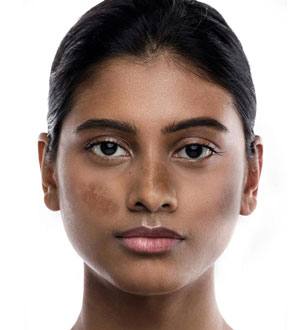
What is Melasma?
Melasma is a skin condition generally characterized by brown patches appearing on parts of your face due to a pigmentary disorder. These patches may also appear on other parts of the body that are exposed to a lot of sunlight such as the neck and the arms.
Causes of Melasma
The exact cause of melasma is unknown, but it may be due to the malfunction of melanocytes, which are the cells responsible for skin pigmentation. People with darker skin tones and those with a family history of melasma are at a higher risk for developing the condition.
Factors that trigger melasma are:
- Sun exposure: Ultraviolet light from the sun tends to stimulate the melanocytes and trigger the condition causing the skin patches to return even after they fade.
- Change in hormone levels: Hormonal changes during pregnancy can often result in the condition. The occurrence of melasma in pregnant women is known as the mask of pregnancy or chloasma. It can also be caused by the use of hormonal replacement medicines.
- Birth control pills: The use of birth control pills have been associated with the development of melasma patches on the skin.
- Skincare products: Certain skincare products can irritate your skin and cause the worsening of melasma.
Symptoms of Melasma
The most common visible symptom of melasma is the presence of brown or gray patches on the face. These patches mostly appear on:
- Cheeks
- Forehead
- Bridge of the nose
- Above the upper lip
- Chin
Diagnosis of Melasma
Your doctor will review your medical history and symptoms, and a visual examination will be performed. Other diagnostic tests include:
- Wood’s lamp examination: This test is used to determine the presence of bacterial or fungal infections and how many layers of your skin are affected. This is done using a special kind of light that is held up against your skin.
- Biopsy: This is often conducted in order to confirm melasma and rule out the possibility of other disorders.
Treatment for Melasma
Treatments for melasma include:
- Medications: Hydroquinone, tretinoin, and corticosteroids are some of the medications used in the treatment of the condition. Hydroquinone is usually the first line of treatment and is used in the form of creams, lotions, gel, or liquid applied over the skin to lighten the patches. Your dermatologist may, in some cases, prescribe a second medication, usually tretinoin or corticosteroids, in order to enhance the skin lightening. Other topical medications that may be applied on the skin include azelaic acid or kojic acid.
If the topical medicines fail, your dermatologist may recommend the use of other procedures such as:
- Microdermabrasion: This is a minimally invasive procedure that is generally used to renew the overall texture and tone of your skin.
- Chemical peel: This skin rejuvenation procedure involves the use of chemicals to remove the top layers of your skin. The skin that grows back will be smoother and free of wrinkles and marks depending on the type of chemical peel used.
- Laser treatment
- Light therapy
For more information about our services or to schedule an appointment, click here to request an appointment online. We’ll respond to you as soon as possible.